Machine Learning for
Physical Systems
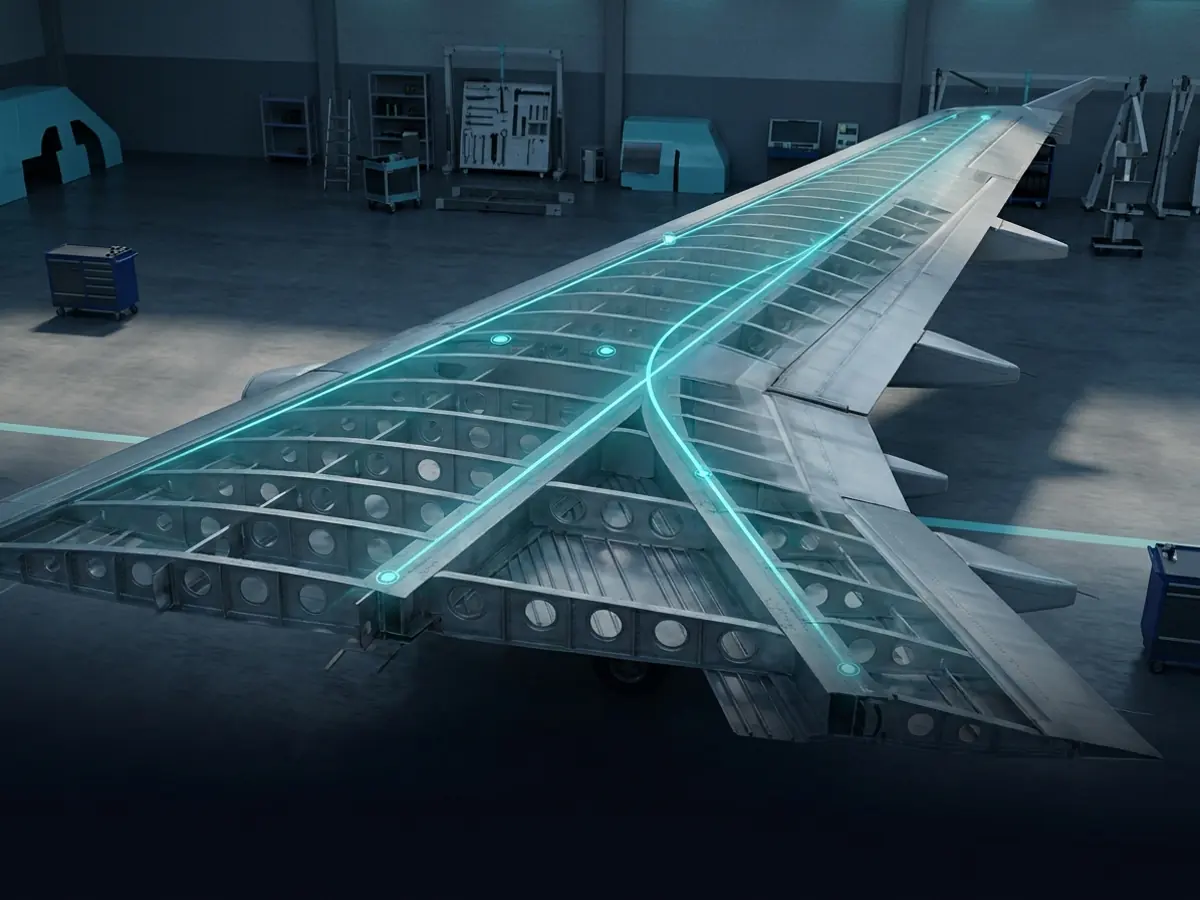
I work on applying machine learning to engineering problems, with a focus on surrogate modelling, structural dynamics, simulation acceleration, and research-to-product pathways.
Three threads, one trajectory
Technical depth in research, execution through building, and a commercial lens on where it leads.
Research
Surrogate modelling, scientific machine learning, structural dynamics, and simulation acceleration.
Build
Technical prototypes, AI workflows, engineering tools, and data-driven systems.
Strategy
Deeptech commercialisation, technical moats, and research-to-product pathways.
Proof-of-work, not a portfolio
Surrogate Modelling for Structural Dynamics
Exploring how machine learning models can approximate expensive structural dynamics simulations while preserving useful physical behaviour.
Impact Detection in Sensorised Structures
A machine learning approach to identifying impact events in sensorised structural panels using measured response data.
Research Workflow Automation
An experimental AI-assisted workflow for turning papers, notes, and experiments into structured research logs and technical outputs.
Thinking, written down
Why prediction accuracy is not enough for physical systems
A test-set number is a weak proxy for engineering value. What a model enables matters more than the metric it improves.
Read noteWhat makes a surrogate model useful in engineering?
Speed is the obvious draw, but usefulness is set by reliability, calibration, and fit with an existing workflow.
Draft · coming soonThe gap between research novelty and product value
Novelty is rewarded in research and irrelevant in products. The bridge between the two is reliability and fit.
Draft · coming soonResearch collaborations, technical product experiments, AI / engineering prototypes, deeptech conversations, and selected consulting or project-based work.